A volunteer-led neighborhood, by neighbors.
WDVNA preserves the district's architectural heritage while running the daily, practical things that make a block feel like a block.
Preserve
Historic preservation, design guidelines, restoration grants, and advocacy for the district at City Hall.
Convene
Block parties, porch crawls, monthly meetings, and the small rituals that keep neighbors knowing neighbors.
Support
Welcome bags for new neighbors, volunteer cleanups at Oak & Ivy Park, and neighbors helping neighbors with the practical stuff.
Three stories. One neighborhood.
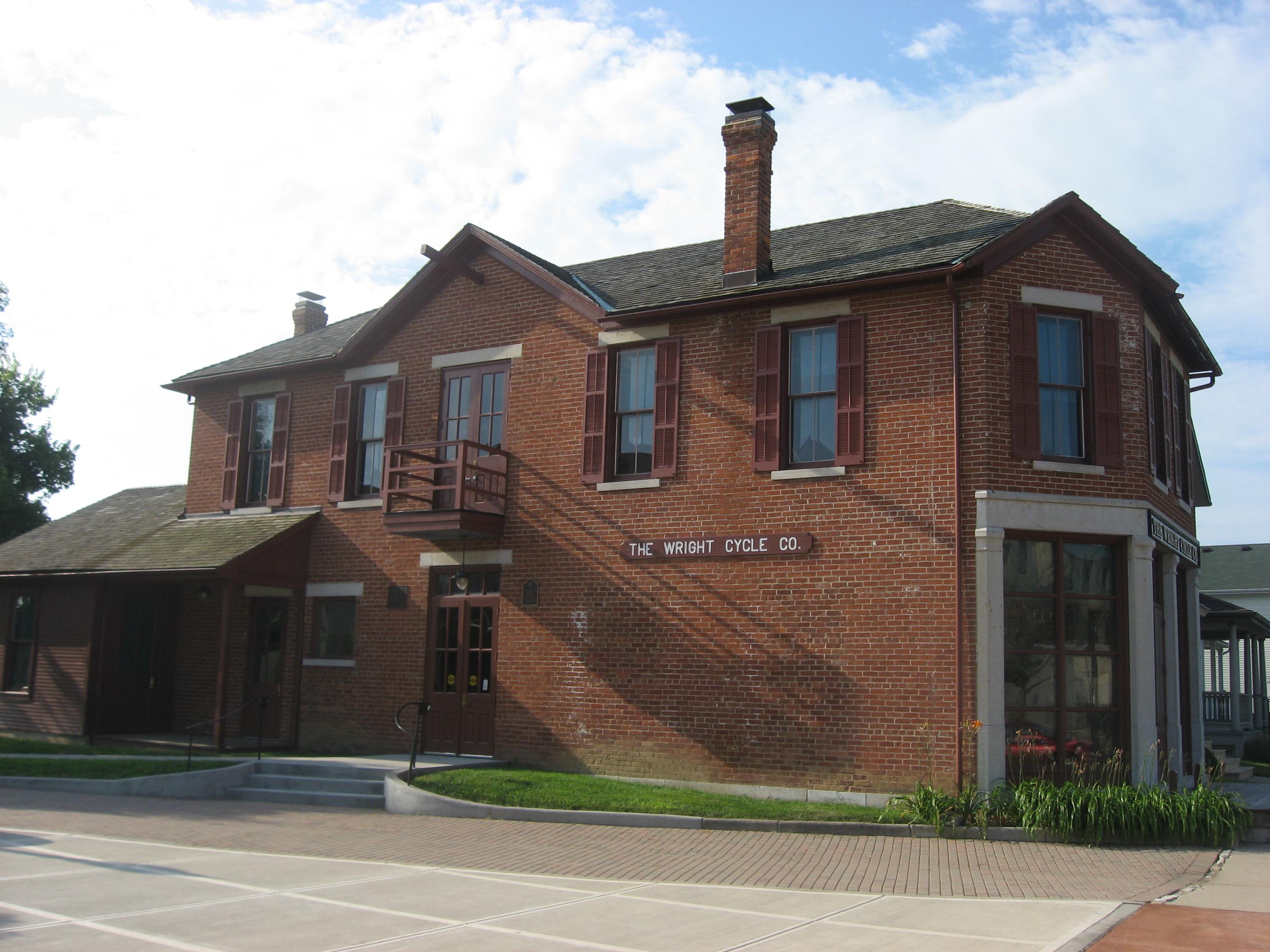
The Wright Brothers
From a bicycle shop at 1127 W. Third Street, Wilbur and Orville Wright developed the theories of lift, control, and propulsion that culminated in the first powered flight at Kitty Hawk on December 17, 1903.
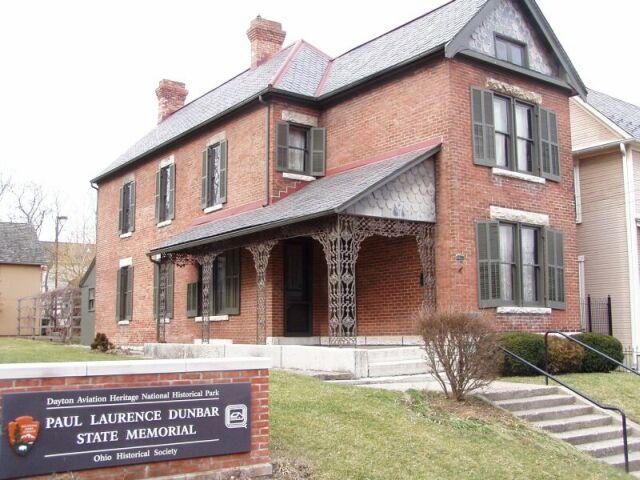
Paul Laurence Dunbar
Born and raised in Dayton, Dunbar became one of the first African American poets to achieve national recognition. He and Orville Wright were classmates at Dayton Central High School and lifelong friends.
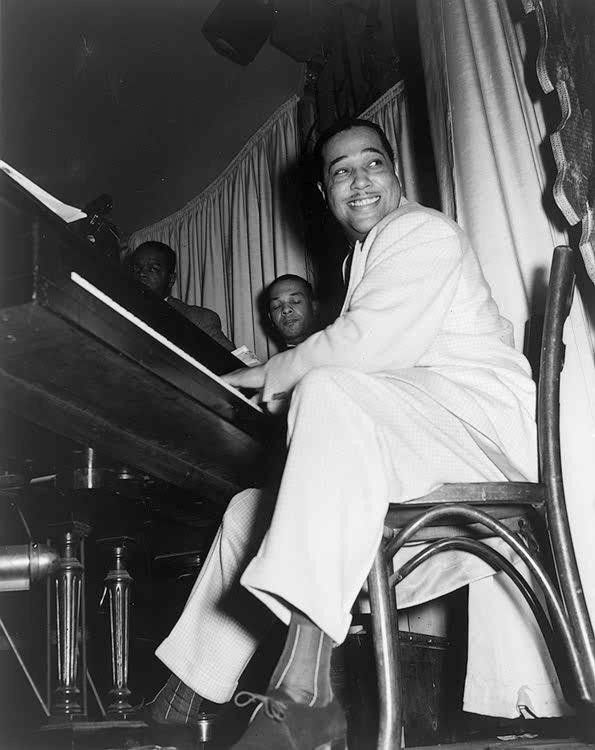
Dayton’s answer to Harlem.
Two blocks south, West Fifth Street was Dayton’s center of Black cultural life — two landmark theaters, Midnight Rambles, and nationally known performers who put The Nickel on the same circuit as the Apollo.
What's happening this month.
Public events are open to all neighbors and friends of the district. Members' events are noted.
Dues fund the neighborhood you actually live in.
Banner program. Block Party. Welcome bags. The lights on the Hoover Block at Christmas. None of it runs without dues — and members get a voting representative at every general meeting.
Household
Business
Supporting friend
Get involved. Stay in the loop.
BAND is where we post updates, chat, and share photos. The Oak & Ivy volunteer system is how neighbors help run the neighborhood.
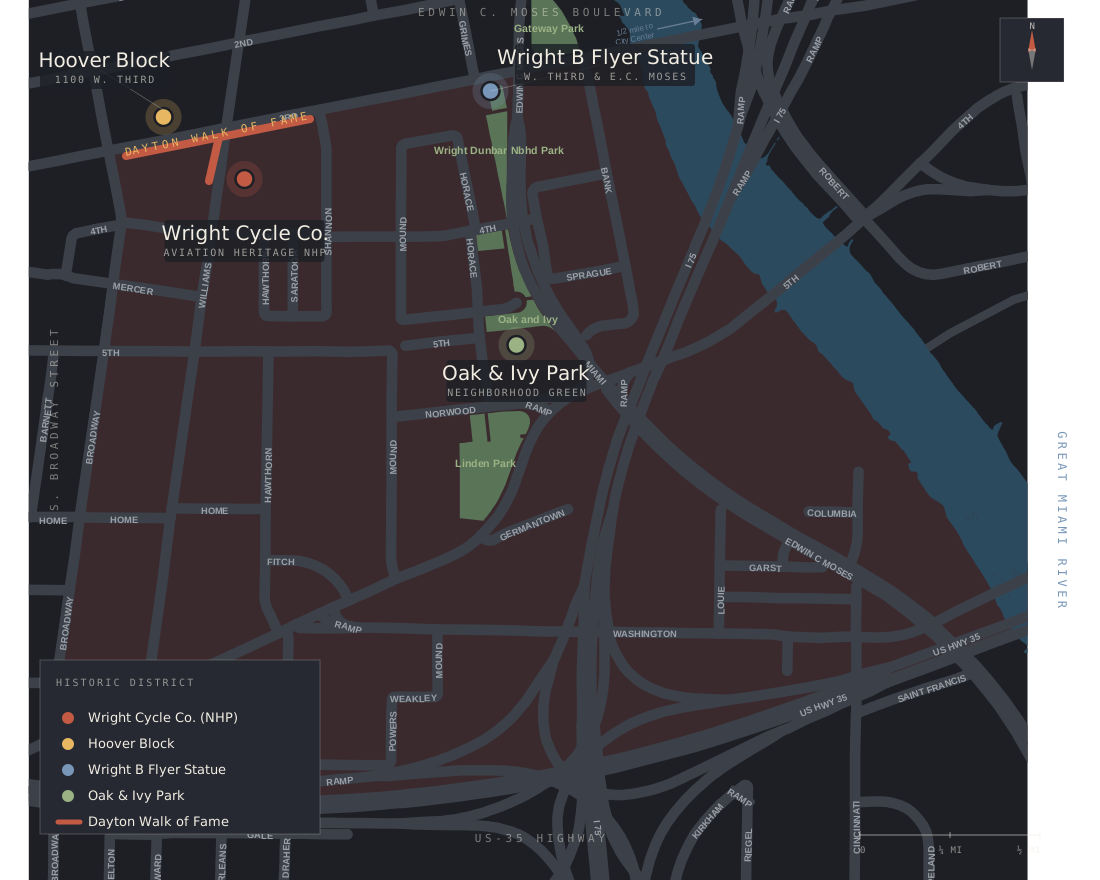
West Third Street. Three legacies. One neighborhood.
Bordered by South Broadway to the east, Edwin C. Moses Boulevard to the south, US-35 to the west, and the Great Miami River to the north. West Third and West Fifth Streets — two blocks, three legacies.
- National Historical ParkDayton Aviation Heritage NHP
- State MemorialPaul Laurence Dunbar House
- Local LandmarksWright Cycle Co., Hoover Block, Oak & Ivy Park, West Fifth St.
- Public TransitRTA Routes 1, 14 stop on Third